The Room With the Kettle: Northampton's Libraries Are Quietly Hosting Your Next Fandom Night
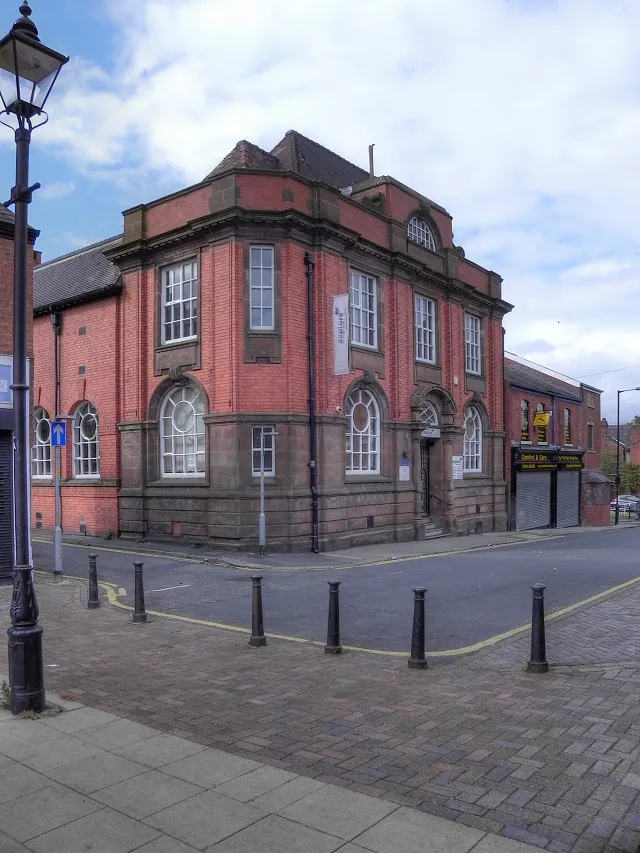
Photo: David Dixon , CC BY-SA 2.0, via Wikimedia Commons
On a wet Tuesday in Northampton, the loudest thing in the room is a dice tray. Someone has brought a flask. Someone else is quietly hemming a cape on a table that has clearly seen a thousand homework sessions. Outside, the town centre is doing its usual rush-hour thing. Inside, a library meeting room has become a fandom venue — and nobody is shushing anyone.
That is the quiet shift worth noticing in late 2026. While pub back rooms get booked for quizzes and birthday parties, Northampton's libraries have been steadily absorbing the sort of fan meet-ups that do not need a stage, a bar or a sound system. They need a table, a plug socket, a bit of shelf space and a room where you can hear the person next to you.
Not a silent zone — a flexible one
The first thing to get straight is that libraries are not monasteries. The shelves still have their quiet corners, and the study areas still deserve respect. But the meeting rooms and community spaces attached to branches such as Northampton Central Library on Abington Street, and the local libraries in Duston, Kingsthorpe and Weston Favell, are often designed precisely for groups. That means chairs that can be moved, tables that can be pushed together and a booking system that does not require you to be a registered charity with a committee and a constitution.
For fans, the appeal is simple. A pub is lovely until someone's one-shot RPG session is competing with a football match, a pub quiz and a table of people who have not yet discovered indoor voices. A library room gives you a predictable acoustic, a known closing time and — crucially — a kettle. The kettle matters. It is the difference between a meet-up that feels like a meeting and one that feels like a gathering.
What is actually happening between the stacks
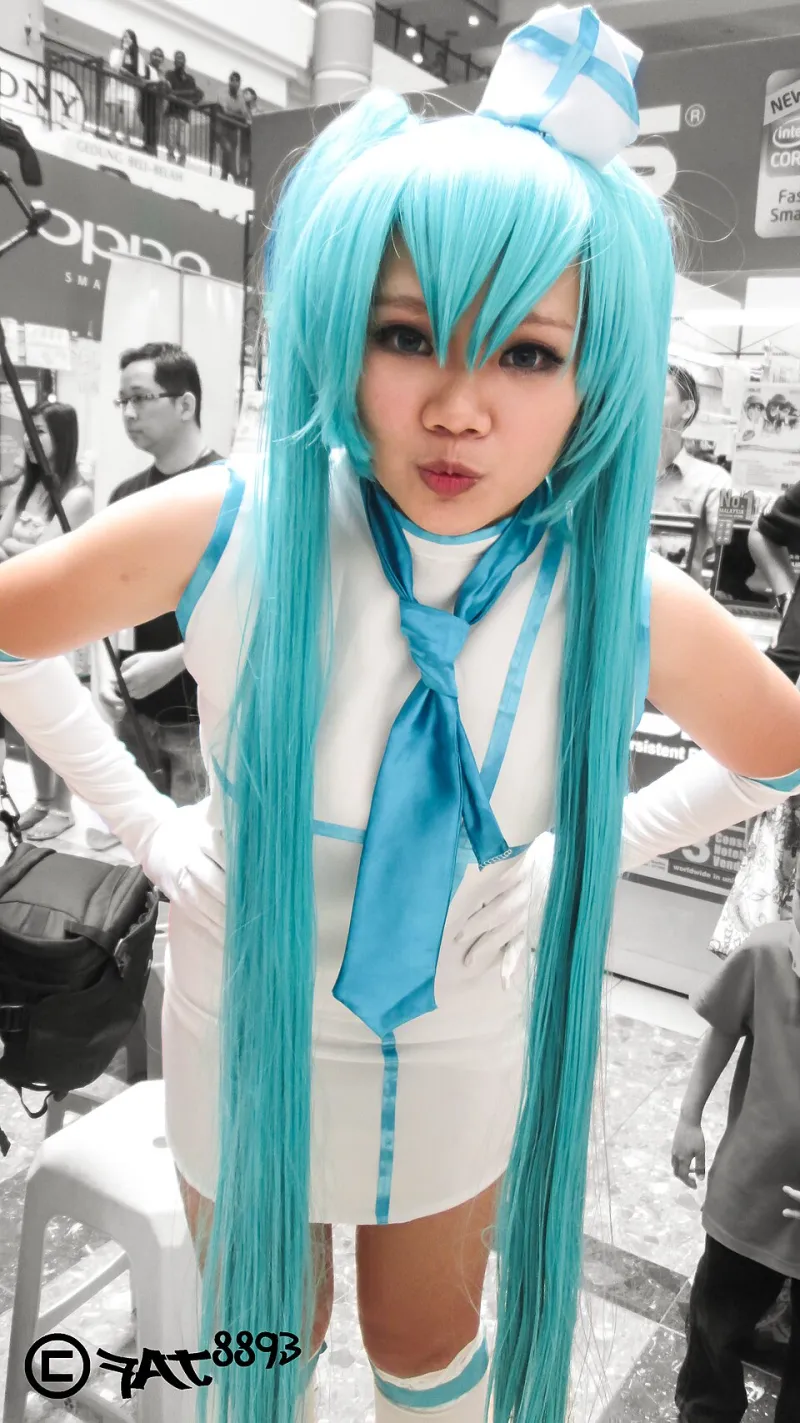
The groups using these spaces are not all the same shape. Role-playing groups tend to book longer blocks, often on weekday evenings or Saturday afternoons, because a decent session needs three hours and a table big enough for maps, rulebooks and the inevitable snack bag. Manga clubs prefer a shorter slot, sometimes monthly, with a loose theme and a pile of borrowed volumes. Cosplay sew-alongs are the newest arrival: people bringing machines, extension leads, fabric offcuts and a willingness to ask the question every beginner asks, which is: why has my bobbin done that?
What unites them is that none of these groups need a huge venue. A room that holds 15 people comfortably is plenty. A noticeboard by the door is enough promotion. And the library setting does something subtle but useful: it lowers the stakes. A first-time cosplayer who is nervous about walking into a fan meet-up is often more willing to walk into a library than a bar. The building says: this is a public, ordinary place. You are allowed to be here.
The booking rules, without the mystery
Here is the bit that gets lost in rumour. Library room bookings vary by branch. Some spaces are free for community and volunteer groups; others carry a modest hire charge, especially if you want the room outside normal opening hours. After-hours bookings exist at some branches, but they are not the default and they usually come with conditions about staff presence, security and closing up. Do not assume you can roll in at 9pm with a sewing machine and a dream.
The reliable approach is to ask the branch directly. Explain what the group is, how many people you expect, what you want to do and whether anyone is under 18. Mention whether you need tables cleared, access to a projector, or permission to use a sewing machine or hot glue gun. Some activities need a risk assessment; some need a named responsible adult for younger attendees; some simply need you to promise that you will not Blu-Tack anything to the walls. Ask about the kettle, too. It is amazing how often that is the deciding factor.
How to pitch your own meet-up this winter
If you want to start something in winter 2026, keep the pitch short and concrete. Say: 'I would like to book a room for a monthly manga club, roughly ten people, Saturday afternoons, no selling, no hot food, we will leave the room as we found it.' That is a much easier yes than a vague message about 'a community event'. Offer to start with a trial session. Libraries are more willing to say yes to a one-off than to an open-ended commitment.
Bring a named contact, a phone number and a backup date. Ask what the room includes: tables, chairs, Wi-Fi, a screen, a kettle, a sink. Check the closing time and the latest point you can leave. If you are bringing equipment, ask about PAT testing and extension leads. If you are bringing under-18s, ask about supervision ratios. And if you are charging subs to cover room hire or materials, say so up front. Transparency makes you easy to book again.
The quiet win
None of this is glamorous. A library fandom night will not have a stage, a cosplay catwalk or a queue round the block. It will have a slightly wobbly table, a borrowed graphic novel and someone explaining the rules of a game while the kettle boils. But for plenty of Northampton fans, that is exactly the point. The city's fandom scene has always been built by people who put the chairs out. Libraries are just giving them a warmer, drier place to do it.