Pins, Plush and Pocket Money: Inside Northampton's Small-Table Maker Scene
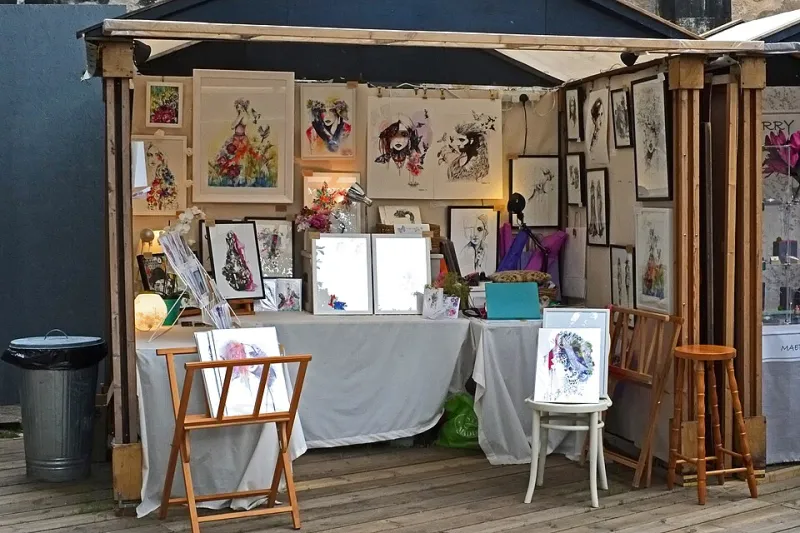
Photo: Anthony O'Neil , CC BY-SA 2.0, via Wikimedia Commons
At a small Northampton meet-up, the maker tables are easy to miss. They are the ones with the biscuit tin of enamel pins, the basket of imperfect plushies and a hand-written sign that says 'card reader is being shy — cash also welcome.' They are also where a surprising amount of the town's fandom economy quietly happens.
The table is a shop, a workshop and a social club
Hannah, who makes enamel pins from a spare room in Kingsthorpe, started with a single design for a local fandom meet. 'I thought I would sell five and keep the rest,' she says. 'I sold out in an hour and spent the next week apologising to people who wanted one.' Her table now funds the next batch of pins, the postage and the occasional hall fee. It does not pay her rent, and she is clear about that. 'It is pocket money with a bit of glue on it,' she says.
Raj from Duston makes small plushies and keyrings. Ellie in Abington sews dice bags and lanyards. Tom in Far Cotton takes prop commissions — foam swords, painted blasters, the occasional very silly hat — and has a queue that is longer than his day job allows. None of them are running a big business. All of them are part of the same circuit of small cons, library meetups and bring-and-buy tables that makes Northampton's fandom scene feel less like a shopping centre and more like a club.
What sells in Northampton (and what does not)
The reliable sellers are small, useful and easy to carry home on a bus: stickers, pins, keyrings, patches, dice bags, bookmarks and plushies that fit in a tote. Fan art sells when it is clearly labelled and priced. Prop commissions sell more slowly, because they need a conversation, a deposit and a lead time. 'People want to hold the prop before they commit,' Tom says. 'That is fair. I bring a couple of finished pieces so they can see the weight and the finish.'
What does not sell? Anything that needs a plug, a long explanation or a buyer who has already spent their bus fare. Big prints can work at a weekend con with a proper table, but at a Saturday meet-up in a church hall they are a hard ask. The local lesson is simple: make something someone can put in a pocket or a bag, and price it so they can still buy a cup of tea.
Pricing without racing to the bottom
First-time table holders often underprice because they are nervous. That is understandable, but it is also how a hobby becomes a chore. A pin that takes an hour to design, order and pack is not a 50p item. Local makers suggest pricing stickers at £2–£4, pins at £6–£10, small plushies at £12–£25 and commissions from £15 plus materials. None of these are get-rich numbers. They are 'this covers my next batch and I am not resentful' numbers.
The other rule is: do not undercut the table next to you. If someone is selling a similar pin for £7, do not knock yours to £4 just to make a sale. It makes the whole row look cheap and it makes it harder for anyone to cover their costs. Compete on design, friendliness and a good setup, not on a race to the bottom.
First-time table etiquette, for sellers and shoppers
For sellers: bring a price list, even a handwritten one. Bring cash for change and a card reader or QR code if you can. Do not eat over your stock. Stand up when someone approaches, or at least look up. Have a friend or a neighbour watch the table if you need a break. And be honest about lead times — 'ready in three weeks' is better than 'soon' followed by silence.
For shoppers: ask before you handle. Do not haggle at a £5 pin. Do not ask for free art, free plushies or a discount for a fellow fan. If you love something, say so; makers remember the people who are kind about their work. If you cannot buy, take a card or follow the maker's socials. That is a real form of support.
Building a local following, one meet-up at a time
The makers who do well in Northampton are not necessarily the ones with the biggest online followings. They are the ones who turn up consistently, remember faces and make it easy to find them again. A simple sign with a handle, a QR code and a mailing list is worth more than a fancy display. Post your next table on the local fandom groups. Collaborate with another maker on a joint design. Say yes to the small meet-up even when the table fee feels like a gamble.
Northampton's fandom economy is not a giant industry. It is a network of people who buy a pin, commission a prop, split a table and tell a friend. That is worth protecting. The next time you see a hand-written sign and a biscuit tin of enamel pins, stop. Ask a question. Buy a sticker if you can. And remember that the person behind the table is probably doing this because they love the same daft thing you do.