The First Ten Minutes: Walking Into a Northampton Fan Night on Your Own
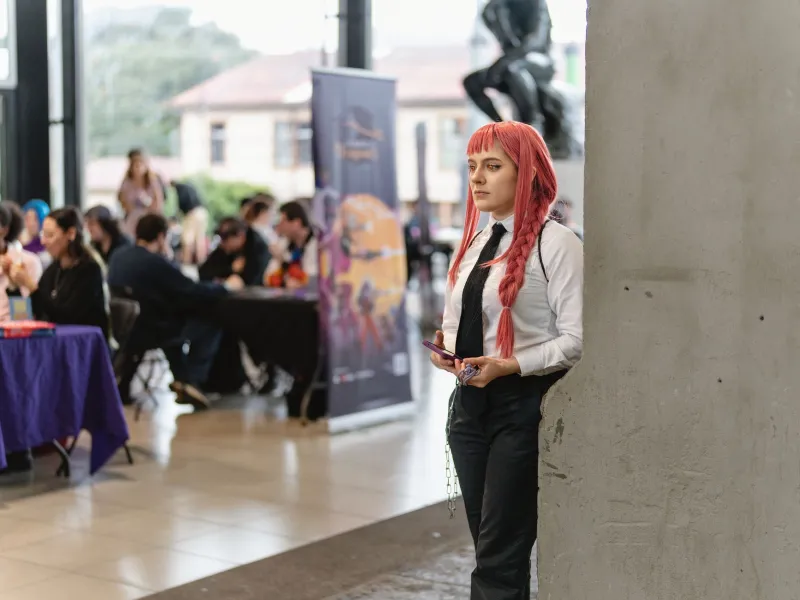
It is 6.58pm in a Northampton church hall and the chairs are still being unfolded. You are on your own, holding a tote bag and a bus timetable, wondering whether to go in now or do one more lap of the car park. That moment is not a personality flaw. It is a design problem, and it is one that every fan meet in town can solve.
Solo attendees are not the spare parts of the fandom scene. They are often the people who volunteer later, bring the first homemade prop, start the group chat or quietly become the person who knows everyone's name by the second event. But the room has to make sense to someone walking in alone. This guide is for that person, and for the hosts who want their room to read as safe to arrive in without a crew. It is written for late 2026, with the usual Northampton mix of church halls, library rooms, pub function rooms and community centres in mind.
The first ten minutes are a design problem, not a personality test
The first ten minutes are usually the hardest. Not because fandom people are unfriendly, but because everyone else seems to have arrived in a knot of three, already halfway through a conversation about a costume piece or a board game. The trick is to give yourself a job. Walk in, find the welcome table or the person with the clipboard, and ask one practical question. Where do I sign in? Is this the queue for the swap table? Do you know what time the photo wall opens?
That question does two things. It gives you a reason to be there and it gives someone else a reason to talk to you. It also lets you check the room before you commit to a corner. Do a slow lap if the hall is big enough. Look for the tea urn, the programme table, the cloakroom and the quiet chairs. You are not being awkward. You are reading the room, which is exactly what everyone else did when they first arrived.
Where to stand when you do not know anyone
Stand near something that already has a purpose. The sign-in desk, the raffle table, the merch stall, the tea queue or the noticeboard are all good anchors because people come to them with a reason to speak. Avoid standing in the middle of the floor with nowhere to look. Avoid hovering directly behind a tight group, too. Instead, take the edge of a table or the end of a row of chairs, where you can be joined rather than having to interrupt.
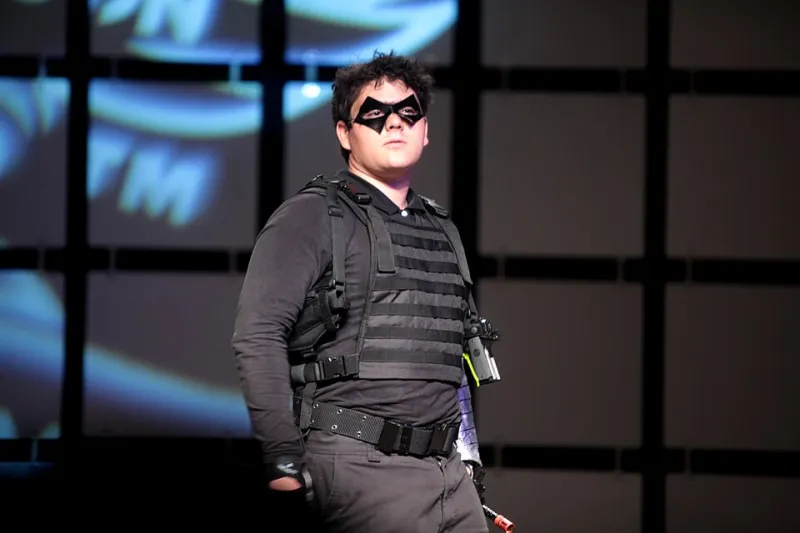
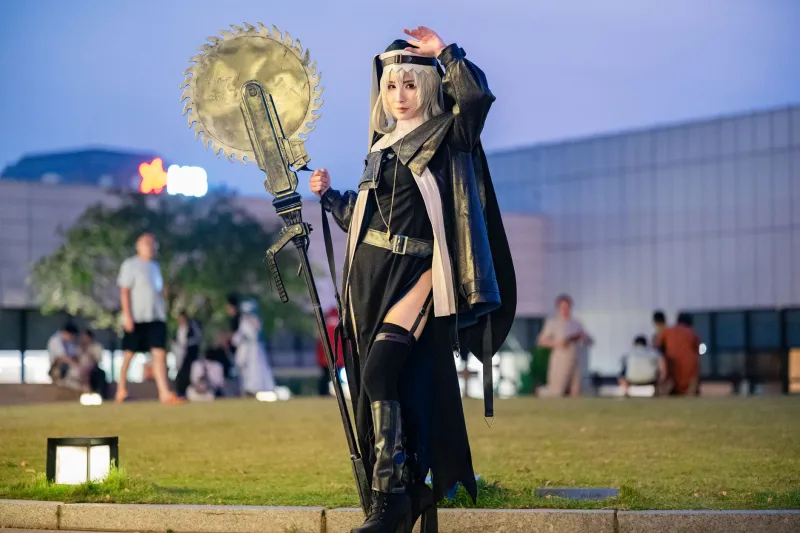
Hold something. A programme, a cup of tea, a sketchbook, a tote bag with a badge on it or even your phone with the event listing open. These are small social handles. They say you are present and approachable without demanding a full conversation. If you are in a cosplay or a handmade costume, expect people to ask about it; that is one of the kindest shortcuts in the room. If you are not, a pin badge or a printed lanyard can do the same job.
The queues that are easiest to join
Queues are underrated. They are short, structured and full of people who have already agreed to stand in the same place for two minutes. The tea queue is the classic. The raffle table is another. The cloakroom, the workshop sign-up sheet and the photo wall are all good because the conversation has a built-in subject. Ask the person in front what they are hoping to win, what they thought of the last meet, or whether the hall is always this warm.
A busy guest queue is not always the easiest place to start if you are feeling raw. A small maker table or a swap meet is often better. You can ask what something is, how it was made or whether they take cards. You do not have to buy anything. A friendly question is not a transaction.
Icebreakers that do not feel like networking
Skip the interview questions. Nobody at a Northampton fan night needs to know your job title. Ask about the thing in front of you. Where did you get that pin? Is that a handmade prop? What game is that from? Have you been to one of these before? The last one is especially useful because it lets the other person decide how much to share.
Use the two-question rule. Ask one question, listen to the answer, ask one follow-up, then let the conversation rest. If it keeps going, great. If it does not, you have had a pleasant exchange and nobody has been trapped. Compliments should be specific and kind, not a comment on someone's body. And if you are the one being approached, you are allowed to say you are just having a quiet look around. Politeness does not require you to perform.
How to leave early without making it a thing
Leaving early is allowed. It is not a snub, and it does not need a speech. Wait for a natural pause, say you are heading off, and thank the person you were talking to or the organiser by the door. If you are in a longer conversation, use the timetable: I am going to do one more lap before my bus. That is a complete and honest exit.
Check the cloakroom before you get pulled into another chat. Know your bus or train time. If you are driving, decide where you are parked before the room gets busy. A quiet Irish goodbye is fine at a big meet, but at a small one it is worth catching the host's eye and saying thanks. Hosts can help by announcing the last half hour, keeping the timetable visible and not making a closing circle feel compulsory.
A host's checklist for a room that says safe to arrive alone
- Put the welcome table where it can be seen from the door, not round a corner.
- Have one named greeter who is not also running the raffle, the sound desk and the tea urn.
- Use clear signs for sign-in, quiet space, toilets and the exit.
- Keep at least one row of chairs facing the room rather than tucked behind tables.
- Offer a first-timers sticker or lanyard only if people can opt in, never as a spotlight.
- Publish a simple timetable so solo attendees know when things start and finish.
- Make the quiet corner obvious and do not let it become a storage dump.
- Tell people where the free water is and whether the venue takes card.
- Brief volunteers to introduce people who are standing alone, not to interrogate them.
- Announce the last bus, last train and last raffle ticket with a smile.
Budgeting a solo day out in Northampton
A solo day is easier when the money is decided before you leave. For a local meet, think in small blocks. Bus fare around town might be a few pounds. Entry or a table fee could be three to eight pounds. A workshop or raffle might take another fiver. Lunch from a café or a supermarket meal deal is cheaper than a panic purchase at the venue. Carry some cash and a contactless card, but decide your ceiling first.
A realistic solo budget for a Northampton fan day is often somewhere between fifteen and thirty pounds, depending on travel, food and whether you are tempted by the maker tables. Take a refillable bottle. Check whether the venue has a café or whether you need to bring a sandwich. Buy one thing because you love it, not because you feel you should. And keep the fare home separate. The best solo day out is the one you can get home from without doing maths on the platform.
The first ten minutes are the hardest. After that, it is just a room with people in it. If you are going alone, give yourself a job, join a queue and leave when you are ready. If you are hosting, put out the welcome signals. The solo attendee at the door might be next year's volunteer, maker or friend. They just need the room to say hello first.