Back Rooms and Board Games: The Fandoms Northampton Never Shouts About

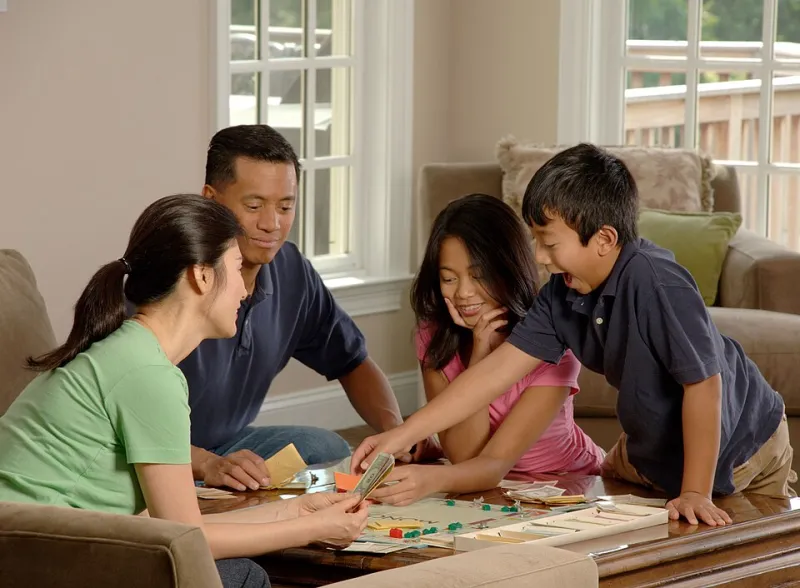
Photo: USAG- Humphreys, CC BY 2.0, via Wikimedia Commons
The convention gets the photographs. The back room gets the friendships.
That is not a dig at conventions — I love a hall full of cosplayers as much as anyone — but it is an honest observation about where local fandom actually lives. The headline events happen once or twice a year. The quiet thing happens every fortnight, in the same room, with the same eight people, and it is the thing that turns a hobby into a social life.
So let me make the case properly: Northampton's small, low-key fan communities are the heart of the scene, and they are chronically overlooked.
What counts as a quiet fandom
There is no strict definition, but you know one when you find it. No tickets. No wristbands. Possibly a collection tin. The venue is a pub function room with a slightly sticky floor, a café that closes at four, a bookshop with three chairs, or a library meeting room with a projector nobody can get to talk to the laptop.
Four of the most durable examples:
Fantasy book clubs. Not the big series everyone has already read, but the odd stuff — a shelf of second-hand paperbacks passed hand to hand, a group that argues for an hour about a map on the inside cover.
Board-game regulars. The heaviest, quietest, most welcoming people in fandom. They will teach you a ruleset that takes forty minutes to explain and then beat you kindly.
Retro anime collectors. People with shelves of nineties dubs on VHS and DVD, trading duplicates, comparing terrible transfers, arguing about which English dub is the good one.
Zine makers. Photocopies, a long-arm stapler, a table at a small fair, an aesthetic that is deliberately a bit rubbish. It is the most DIY corner of local fandom and possibly the friendliest.
The venues do the heavy lifting
The genius of these meetups is that they cost almost nothing to run, because the infrastructure already exists. A pub with a back room is usually delighted to fill it on a quiet Tuesday. A café will happily host a book group if everyone buys a coffee. A bookshop gets footfall. A library gets a room used for something other than photocopying.
The result is a meetup with no overheads and therefore no pressure — no ticket price to justify, no sponsor to please, no schedule to fill. You turn up, you sit down, you talk nonsense for two hours, you go home. That is it. That is the whole model, and it survives because it asks so little of everybody.
Finding them is the hard bit
Here is the honest failure of the quiet scene: it is bad at advertising. Groups that have run for six years sometimes have no online presence beyond a pinned post in a group chat.
So look in the unglamorous places. Café noticeboards. The corkboard by the till in a second-hand bookshop. Library foyer displays. Facebook groups using the word Northants rather than Northampton, because half the county searches the former. Local Discord servers that started as a convention chat and quietly spawned three sub-channels. Ask in a shop that sells the thing you are into — staff in niche shops know exactly who runs the Tuesday night.
And when you find a listing with four attendees and a photo from 2023, do not assume it is dead. Message the organiser. Worst case, you get no reply. Best case, you get directions to a back room.
Fitting in without making it weird
The etiquette is basic and nobody will explain it to you, so here it is. Arrive on time but expect things to start late. Bring something — a game, a book, a stack of duplicate DVDs — but do not treat it as the entry fee. Buy a drink if you are in a pub. Ask questions and then let people talk, because people who have been in a niche for a decade are desperate for a new listener.
Do not try to win the argument in week one. Do not correct somebody's pronunciation of a fictional place name at your first meet. Do not ask why the group only has eight members, because the answer is usually that eight is a lovely number.
And if you turn up once and find it is not for you, that is fine. Nobody is keeping score. The whole point of a low-stakes meetup is that leaving is as painless as arriving.
Starting your own is genuinely easy
If there is nothing near you, the barrier is lower than you think. Pick a fixed night — the second Tuesday of the month beats a vague arrangement every time. Book a room above a pub, or ask a café about their quiet hours. Set one clear rule: free, or the price of a drink.
Keep it small and keep it boring. Do not build a website. Do not print flyers with a logo. Put a post in three local groups, tell the venue to expect six people, and bring a game you can teach in five minutes and a book you can lend out.
Then do it again next month, even if only three people come. Especially if only three come. Consistency is the entire product.
Why quiet is the point
Fandom has an arms race problem. Bigger halls, bigger costumes, bigger announcements. None of that is bad, but it can leave people feeling that local involvement requires spending money and performing enthusiasm on camera.
It does not. The most durable fan communities in this town are the ones with no photographer, no committee and no budget — just a room, a regular date and a standing invitation. If you have been lurking in the loud part of fandom and wondering where the actual friends are, try the back room. Someone will have saved you a chair.